Green energy has become an essential solution for building a sustainable and environmentally friendly home. The energy transition is rapidly taking hold among French households: renewable energy sources now represent more than 20% of France’s gross final energy consumption, reflecting a meaningful shift in mindset.
Choosing green energy is no longer a trend but a major transformation in the way each household produces and uses electricity. With Edmond Solutions, discover how these technologies can reshape your everyday life while contributing to the preservation of the planet.
What Is Green Energy?
The term “green energy” refers to all forms of energy generated from natural, renewable or inexhaustible sources. It differs from fossil fuels through environmentally friendly production methods and the ability to significantly reduce greenhouse gas emissions. Renewable energies draw their power from resources such as the sun, wind, water (hydropower), the earth’s heat (geothermal), or air (aerothermal), as well as biomass.
Adopting a green energy-based approach allows a home to function through energy conversion systems that do not exhaust natural reserves. This shift serves two goals: reducing dependence on polluting energy sources and promoting the use of local, naturally available resources.
The Main Families of Renewable Energy for Homes
Many solutions can be used to power a home with renewable energy. Learning about these alternatives helps build a coherent energy plan based on geographic conditions and household needs.
Solar Energy, a Key Resource
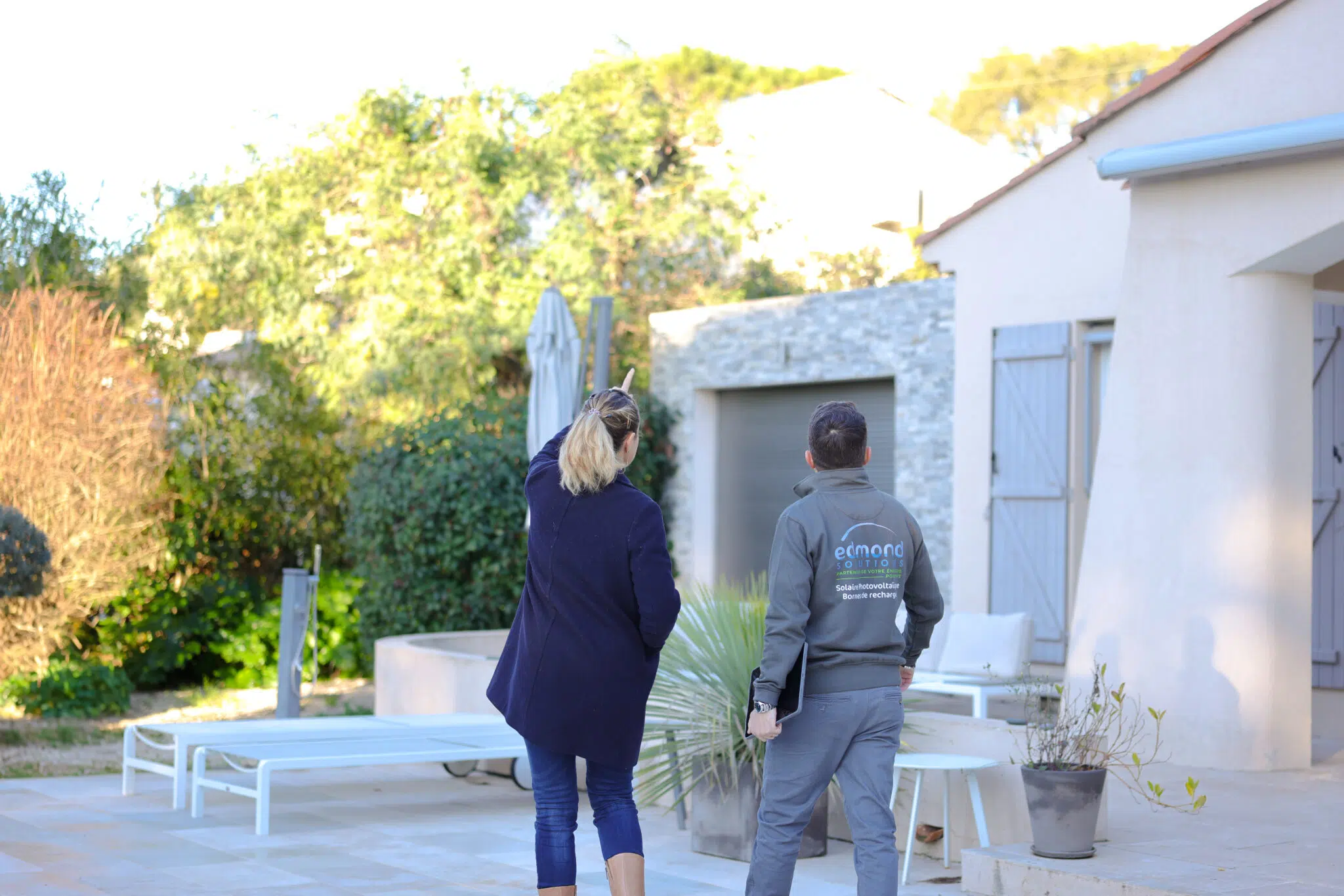
Solar panels illustrate perfectly how a free and abundant resource can be transformed into usable electricity. With photovoltaic panels for electricity or solar thermal panels for hot water, homeowners can produce energy directly from their roof. The system adapts to both single-family homes and larger residential buildings.
Beyond financial savings, solar energy improves the environmental performance of the home. Continuous innovation makes these technologies accessible even for roofs that are not ideally oriented.
Heat Pumps (Aerothermal/Geothermal) and Biomass
Air, often underestimated, is a major source of green energy used by heat pumps. These devices capture naturally present calories from the air (aerothermal) or the ground (geothermal) to heat the home efficiently. Heat pumps are now among the most popular heating solutions for home renovations in France.
Biomass relies on the transformation of organic materials, mainly wood (logs, pellets, chips). Modern biomass boilers or stoves offer high performance and a carbon-neutral balance, since the CO2 emitted during combustion is offset by what the tree absorbed during its growth.
Note: Small-scale domestic wind power exists but remains a niche solution, complex to make profitable compared to solar or heat pumps.
Why Choose Green Energy for Your Home?
Choosing green energy means actively committing to a sustainable home that balances comfort and environmental responsibility.
- Reduction of carbon footprint: Renewable energies drastically reduce CO2 and fine particle emissions.
- Lower energy dependence: Producing part of your electricity (self-consumption) reduces reliance on the national grid and protects against rising energy prices.
- Increased property value (“green value”): According to the Notaires de France, energy-efficient homes (DPE labels A or B) can sell up to 15% higher than energy-intensive homes in some regions.
- Comfort and autonomy: Modern, often connected systems ensure optimal management of heating and hot water according to the family’s real needs.
How to Integrate Green Energy Into Your Home?
A successful energy transition begins with a proper assessment. An energy audit helps identify heat loss (insulation issues) before selecting the most suitable green energy systems.
Reviewing the Available Financial Support
France provides many financial incentives to support such investments. Here are the main national subsidies currently available:
Type of support | Main beneficiaries | Areas covered |
|---|---|---|
MaPrimeRénov’ | Homeowners (occupants or landlords), depending on income | Renewable heating (heat pumps, solar, wood), insulation, audit |
Energy Savings Certificates (CEE) | All households (including bonus programs) | Replacement of fossil-fuel boilers, insulation |
Zero-Interest Eco-Loan (Éco-PTZ) | Homeowners (no income requirements) | Financing remaining renovation costs up to 50,000 euros |
Reduced VAT (5.5 percent) | All occupants | Energy performance improvement works |
Local governments (regions, departments), especially in Var and Alpes-Maritimes, may also offer additional financial aid.
Choosing the Right Equipment for Your Needs
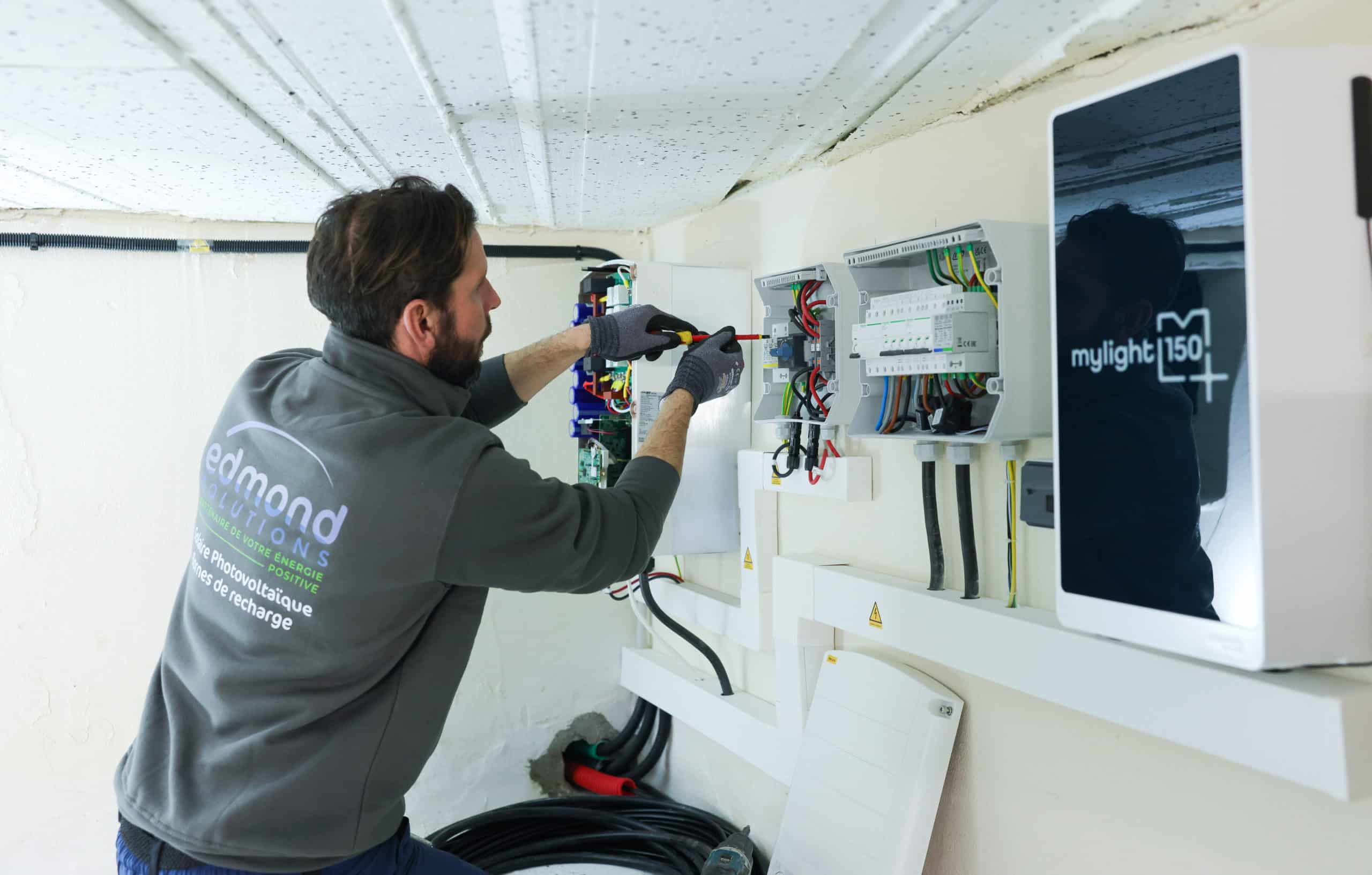
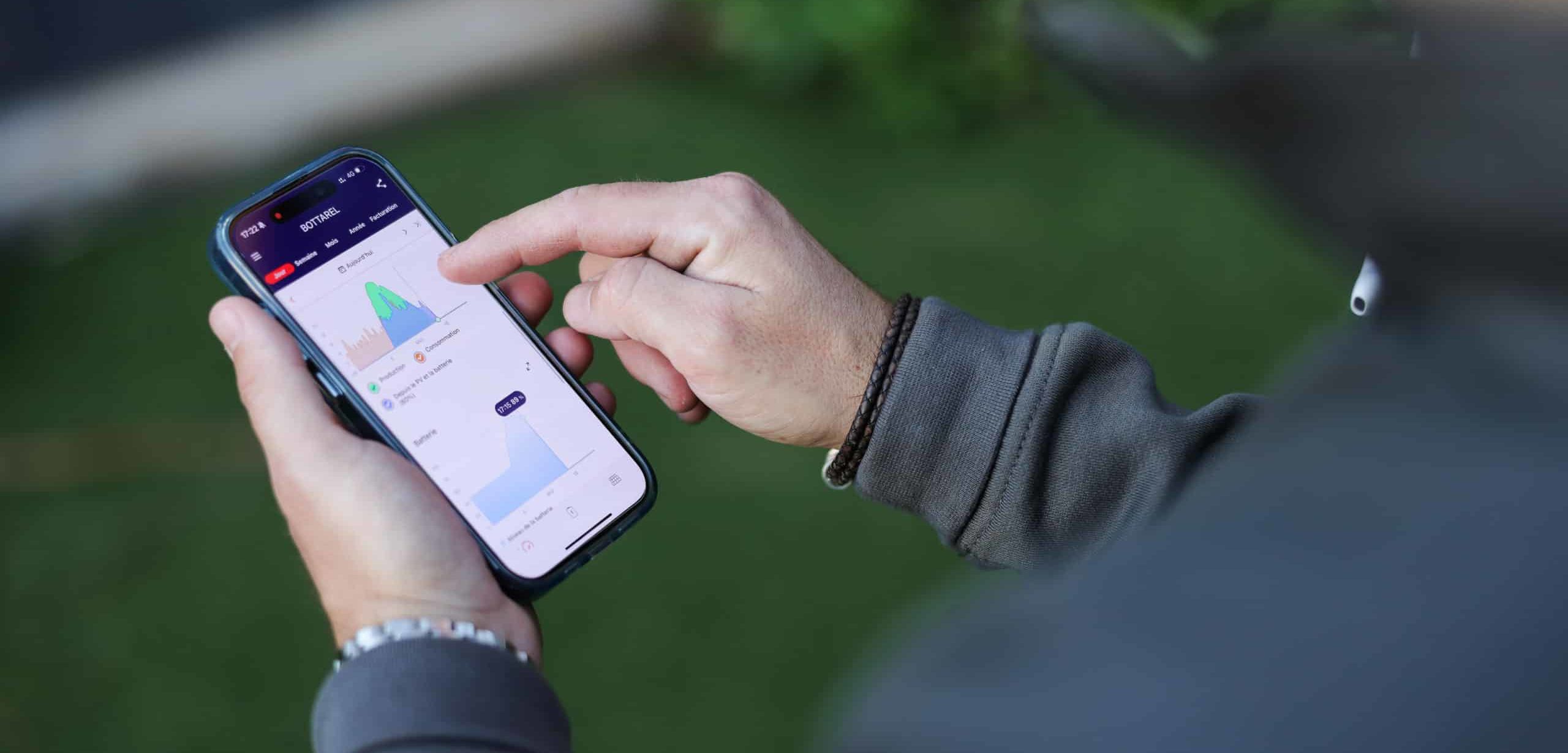
For many households, installing solar panels for self-consumption is the most accessible solution. When combined with a heat pump for heating and a thermodynamic water heater, renewable energy usage is maximized. Adding an electric vehicle charging station powered partly by solar production creates a fully virtuous green energy ecosystem.
Frequently Asked Questions About Green Energy and Homes
What Are the Main Renewable Energy Sources Used at Home?
- Solar energy (photovoltaic and thermal) • Aerothermal energy (air-to-air or air-to-water heat pumps) • Biomass (logs, pellets) • Geothermal energy (less common, mainly in major new constructions)
What Financial Benefits Can Be Expected?
Beyond increased property value, the immediate benefit is a reduction in electricity bills. By optimizing solar self-consumption (for example, using appliances during the day), it is possible to reduce electricity costs by 30 to 40 percent on average.
How to Start Your Home Energy Transition?
- Improve insulation to reduce initial energy needs.
- Have your home assessed by a certified professional (RGE).
- Replace old fossil-fuel heating systems with green solutions (heat pumps, wood-based heating).
- Install solar panels to generate your own electricity.
Considering your region’s climate specifics is essential to selecting the most effective combination of technologies.