Solar photovoltaic panels are becoming increasingly popular among individuals and businesses wishing to produce clean and local energy. Behind this technology lies a simple yet fascinating principle, based on converting sunlight into electricity through the photoelectric effect. To support the energy transition, it is essential to understand how these installations work, their benefits and the key questions to ask before getting started.
Edmond Solutions, a leader in photovoltaic solar panel installation, explains everything.

The Operating Principle of a Photovoltaic Solar Panel
A photovoltaic solar panel consists of many small photovoltaic cells connected to each other. These cells capture the energy from photons contained in sunlight. When photons reach the semiconductor material, generally silicon, they transfer their energy to the electrons in the material. These electrons then move thanks to an internal electric field created by the superposition of two differently doped layers of silicon (the P-N junction). This movement generates usable direct current.
The conversion of solar energy into electricity is based on the physical phenomenon known as the photoelectric effect. This conversion does not require any mechanical movement, which limits wear and ensures silent and long-lasting operation of photovoltaic panels.
Which Components Ensure the Conversion of Light into Electricity?
Each photovoltaic cell plays a key role in electricity production. It consists of a thin layer of silicon covered with conductive contacts, all encapsulated to withstand weather conditions. All connected cells form a module, commonly known as a solar panel.
To make use of the energy produced, an inverter converts the direct current generated by the modules into alternating current compatible with the domestic or public grid. Additional components such as cables, electrical protections and sometimes storage batteries complete a photovoltaic installation.
What Are the Main Types of Solar Panels?
There are several types of solar panels depending on their composition and performance. The most common use silicon:
- Monocrystalline panels: high efficiency and uniform dark appearance, now the main standard for residential installations in France.
- Polycrystalline panels: recognisable by their bluish reflections, less expensive but lower in performance and increasingly rare in residential roofs.
You can find more details in our article on monocrystalline or polycrystalline solar panels. Emerging technologies also exist, such as thin-film (CIGS, CdTe), for specific use cases.
The choice of panel type depends mainly on the available surface area, the initial investment budget and the desired performance level for the photovoltaic installation.
Why Choose Photovoltaic Solar Energy?
The main advantage of photovoltaic solar panels is their ability to produce clean and renewable electricity from sunlight, an inexhaustible resource available everywhere. Many factors influence the actual amount of electricity produced, and it is important to understand the concept of peak power, as temperature and radiation intensity can affect the system’s actual yield. Households and businesses committed to the energy transition see it as a concrete solution to reducing their carbon footprint.
In practical terms, installing solar panels also helps reduce electricity bills and even sell surplus energy to the grid, depending on self-consumption or full resale arrangements. Stable maintenance costs further support long-term interest in photovoltaic technology.
What Benefits Do Photovoltaic Solar Panels Offer?
These systems offer several notable advantages:
- Use of a free and inexhaustible resource: sunlight
- Constantly improving yields, now above 20% for common technologies
- Low maintenance and long service life
- Many integration methods (roofs, carports, facades)
You can also benefit from local or national financial incentives that make switching to solar electricity more accessible.
Which Limitations Should Be Considered?
However, certain points deserve attention before installing a photovoltaic system:
- Sensitivity to orientation and sunlight exposure
- Variable production depending on seasons and weather
- Significant initial financial investment
- Environmental impact linked to material manufacturing (mainly silicon and glass)
Consulting a local specialist is recommended to precisely assess the characteristics of your building and optimise your solar electricity production project.
Costs and Profitability of a Solar Installation
The budget required to equip a home or professional building varies depending on system power, equipment brand and technical constraints. On average, the cost of a residential photovoltaic installation ranges between 8,000 € and 15,000 € (VAT included) for a system between 3 kWc and 6 kWc.
It is important to include bill savings and potential revenues from selling surplus electricity in the profitability analysis. Financial incentives offered by the State or local authorities help accelerate the return on investment for solar installations.
Power range | Average price (incl. VAT) | Available incentives |
|---|---|---|
3 kWc | 6 000 € – 8 000 € | Self-consumption bonus, reduced VAT |
6 kWc | 11 000 € – 14 000 € | Obligation to purchase, regional incentives |
Indicative prices
The return on investment generally ranges from 8 to 14 years depending on consumption and the type of contract, ensuring long-term profitability.
Environmental Impact and Recycling of Solar Panels
Considering the full lifecycle, the environmental impact of solar panels remains favourable compared to fossil fuels. Manufacturing requires energy, but this “grey energy” is compensated by clean electricity production throughout the module’s lifespan, which often reaches 25 to 35 years.
The recycling sector is growing rapidly. At end-of-life, most components (glass, aluminium, silicon) are recoverable and reusable. Choosing green electricity production helps preserve natural resources and support the circular economy.
Frequently Asked Questions About Solar Photovoltaic Panels
How to Install Solar Panels at Home?
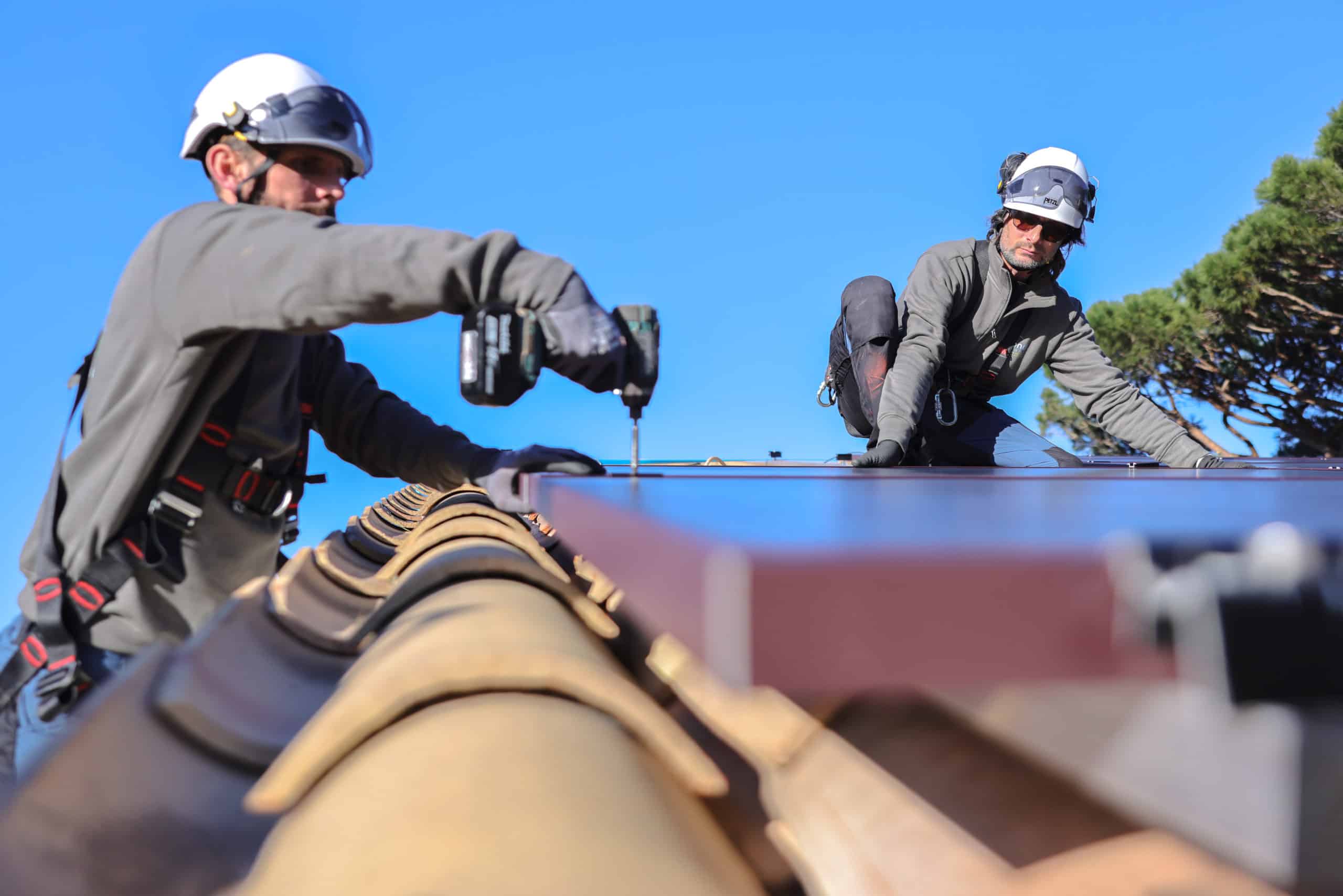
Installing solar panels requires the expertise of a certified professional to analyse your roof configuration, calculate appropriate power and ensure safe electrical connection. The process includes:
- Preliminary feasibility study and administrative permits
- Installation of panels and inverter
- Secure connection to the electrical board and commissioning
Hiring an experienced installer ensures safety, durability and regulatory compliance for your photovoltaic installation.
What Incentives and Subsidies Are Available for Solar Panels?
Several schemes support the installation of a photovoltaic system:
- Self-consumption bonus paid after installation
- 5.5% subject to conditions
- EDF OA obligation to purchase surplus electricity
- Occasional regional or departmental subsidies
Check with your local authority for updated measures and to optimise your solar installation’s profitability.
What Is the Lifespan of a Photovoltaic Panel?
A photovoltaic module has an exceptional lifespan, generally more than 25 years. Some models maintain up to 80% of their initial performance after 30 years.
- Guaranteed performance for 25 years (≥ 80% of initial power)
- Inverter replacement every 10 to 15 years
Regular maintenance and technical monitoring help extend your system’s service life.
Can a Solar Panel Be Recycled at the End of Its Life?
Yes, photovoltaic panels benefit from dedicated industrial recycling processes, particularly for silicon, glass and aluminium.
According to SOREN, the official eco-organisation in France, recycling rates now reach nearly 95%.
- Glass: reused in new glass products
- Silicon: refined and reused in new photovoltaic cells
- Aluminium: melted and reused in industry
Recycling reduces raw material consumption and supports the circular economy around green electricity production.